

Troubling transparency concerns at the Court of Justice of the European Union
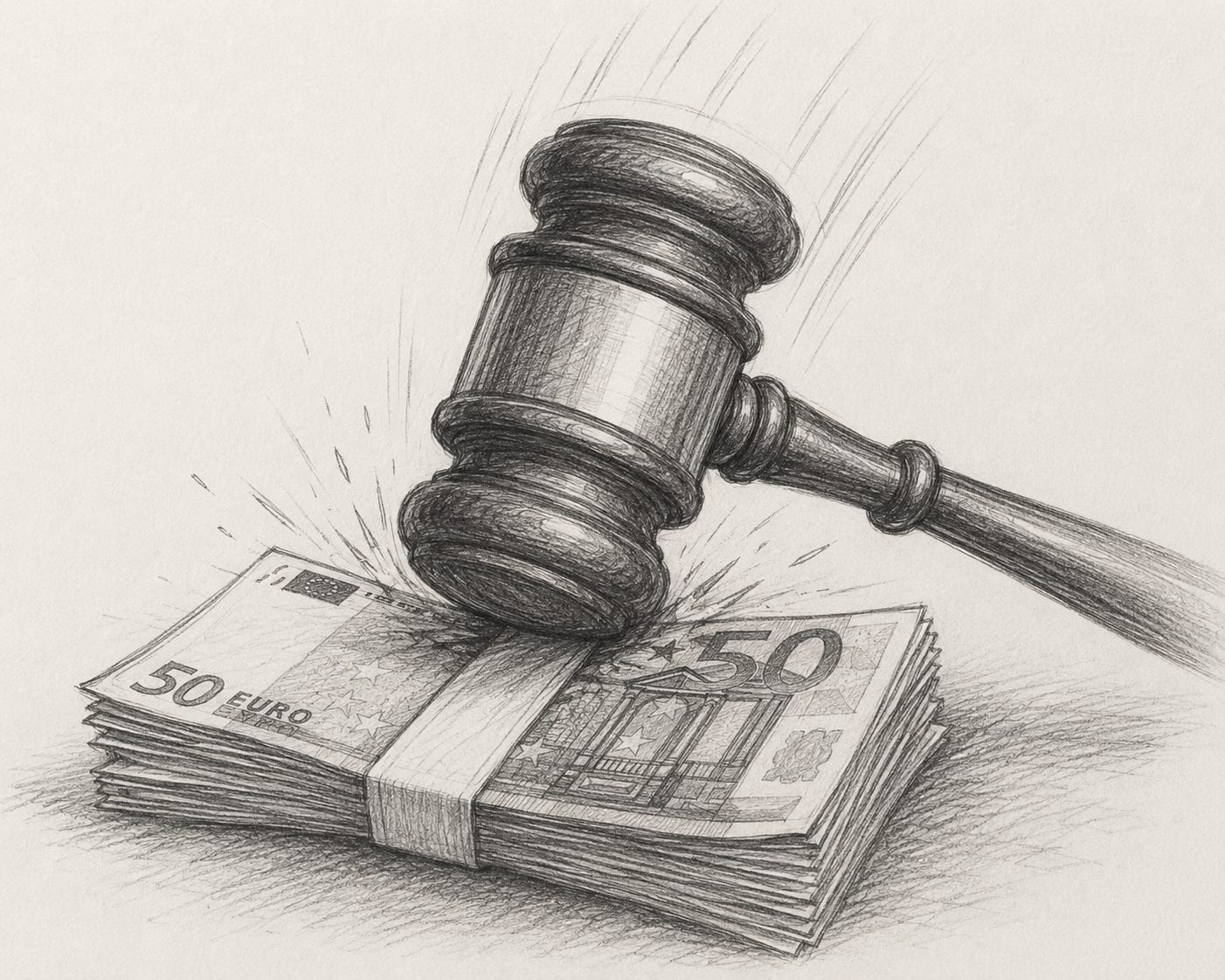
More than 40 per cent of jurists at the Court of Justice have declared private financial interests, with some working on cases concerning industries where they hold stakes. A six-month investigation.

From Investigate Europe
Foreword by Chris Matthews, Investigations Editor :
Dear reader,
It is one of the continent’s most powerful institutions, yet scrutiny has rarely fallen on the Court of Justice of the European Union. The inner workings of the bloc’s highest court are largely shielded from public view, and in many respects understandably so, given the need for judicial impartiality and secrecy.
However, a new Investigate Europe investigation has uncovered a number of troubling transparency concerns at the CJEU and an internal system which allows potential perceived conflict of interest risks to fester.
Exclusive analysis of transparency disclosures found that more than 40 per cent of its judges and advocates general have declared private financial interests. They range from stakes in household names like Airbus, Total and AstraZeneca to interests in financial institutions BNP Paribas, Invesco, Bank of Valletta and others.
Investigate Europe discovered in some instances judges had sat on cases involving companies or close competitors where they had declared an interest, while many more were involved in cases concerning the industries where they also had a stake.
In a six-month investigation, reporters found striking gaps in public declarations and a system where cases are assigned without external scrutiny. While there is no indication that any of those named in the investigation acted improperly in their judicial work, the CJEU’s current code of conduct policies do raise valid questions. As one closely placed source put it: “It is about the perception that such cases give, and that is where the issue lies.”
The investigation can be read in full on the Investigate Europe website. It is out today with our media partners across Europe including EUobserver, Follow The Money, Le Monde, Público.pt, Público.es, Le Soir and Taz.
Thank you for your continued interest in our cross-border journalism and please get in touch with any comments or feedback.
Behind the scenes - by Pascal Hansens, IE Journalist, Brussels
The story began in 2024, while I was working on forgotten environmental infringement cases. Several sources warned me that the court was highly opaque and faced little external scrutiny. That triggered me.
A year later, I started digging with my colleague Ella Joyner. We quickly found that case allocation remains opaque, governed by informal checks between the court’s president and its members, with no external scrutiny. We spent months hitting a wall, especially over judges’ declarations of interests. Old declarations were inaccessible, making it impossible to check whether judges had ruled while holding potentially problematic financial interests.
We eventually bypassed the wall by retrieving old declarations via internet archive website Wayback Machine. We also challenged the court’s refusal before the European Ombudswoman, who informed us last week they would launch an inquiry into the matter.
My colleague Leïla Miñano looked into cases of national bias. Judges are appointed by member states for six-year terms, an oddity in the judicial world that creates a strong relationship of dependence between judges and their governments of origin. Here too, we found several cases that raise questions: judges who had served in government for years and later sat on panels ruling on cases involving their former parties, or on cases dating back to their time in office.
Wouldn't you think that conflicts of interest mattered?
And how the heck did they get away with this for so long?
It's like people didn't truly understand what conflicts of interest imbue.
That's why it's good they do conflict of interest training at work, so people can realize that the people up top most likely play that game. 🤣
Well connected swamp-monsters everywhere ... 🤣🤣🤣