

Saving the bees from the heatwave with plants
Small miracles happen thanks to those who know Nature, and who work with it rather than against it.

Translated from France-Soir.fr
When everything is toast, his field still feeds the bees, but there are still other battles to fight
In Bouleuse, a small village near Reims [T’N : North of France], a plot stands out in the middle of grilled fields.
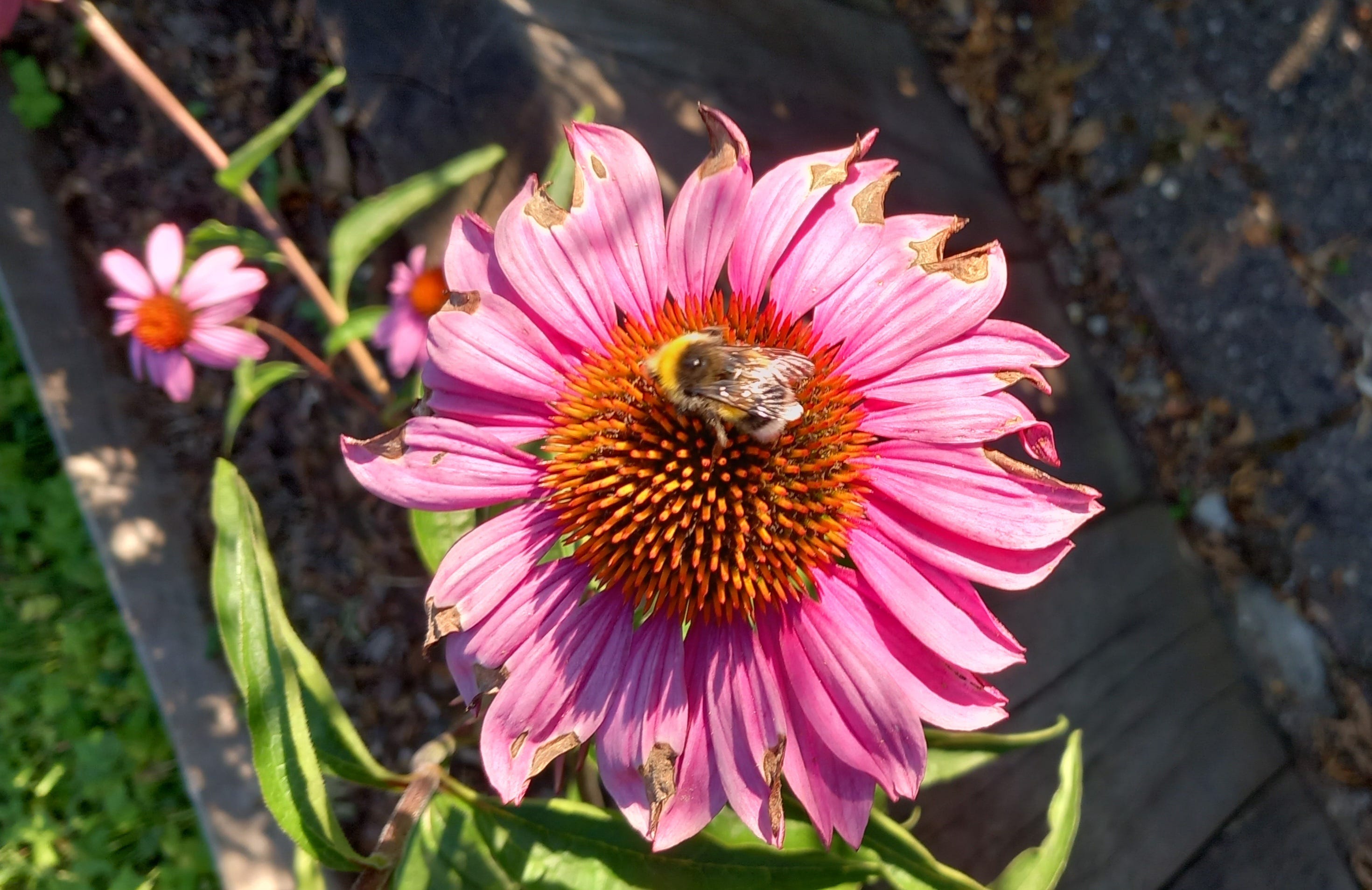
Not a drop of rain for two and a half months, and yet purple and yellow flowers, covered with bees in the middle of August.
Arnaud Billet sowed alfalfa and trefoil, two legumes capable of fetching water in depth. "Some alfalfa plants can fetch water up to 12 meters", explains the farmer at the microphone of ICI Champagne-Ardenne.
Converted for twelve years to conservation agriculture after starting out as conventional, he sowed his legumes in the very soil of the wheat harvested a month earlier.
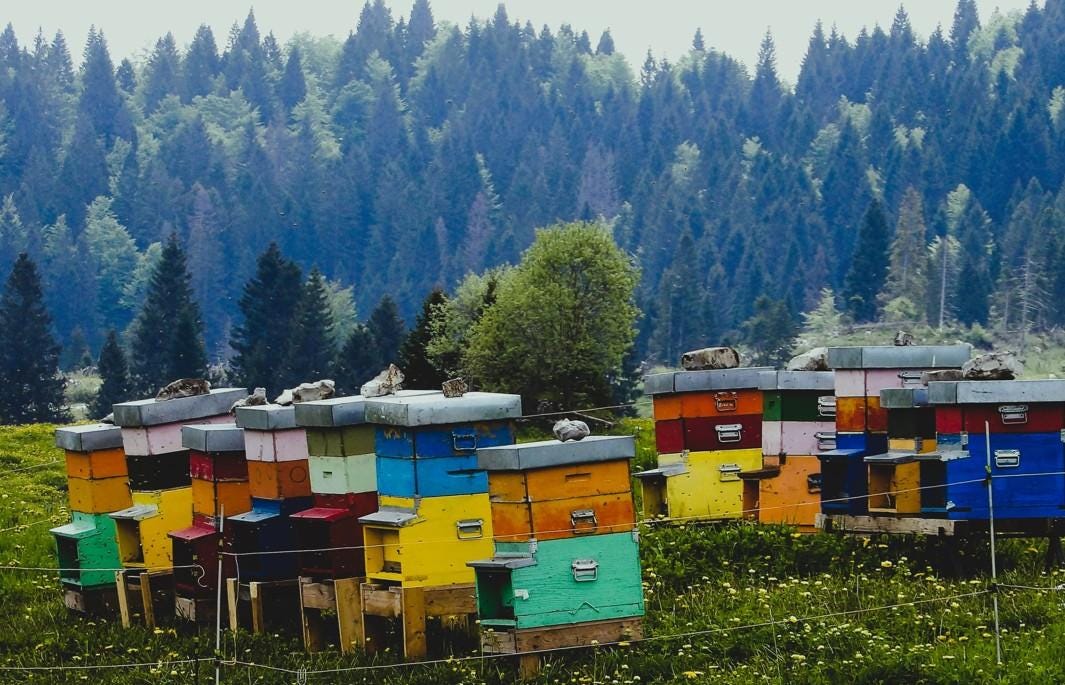
The principle: cover the land, regenerate it, and in the process offer a pantry to the twenty hives installed on site.
Because the heatwave hits the bees twice.
Thirsty plants no longer produce nectar, and foragers exhaust their energy refreshing the hive instead of making honey.
Harvests have fallen by around 30% since the start of summer, according to InterApi.
But bee sickness does not date from heatwaves.
In 1995,5% of colonies disappeared each year in France.
Today, we are around 30%, according to the UNAF, which primarily points to neonicotinoids, these insecticides which disorient and weaken foragers. Banned in 2018, reauthorized by derogation for beets in 2021 and 2022. Consistency will wait.
And then there is a taboo, intensive also exists among beekeepers.
Repeated transhumance which exhausts the colonies, feeding with sugar syrup to compensate for honey taken down to the last drop, queens selected and replaced in succession. Practices that disrupt the insect's natural cycles and produce bees that are less resistant to varroa, viruses and pesticides.
A flowery plot in the Marne, yes, but as long as we treat the bee as a production tool rather than being alive with its rhythms, oases will remain exceptions in a desert that we ourselves sowed.